What we lose when thinking becomes free
What's most precious isn't what we know. But what transformed us discovering it.

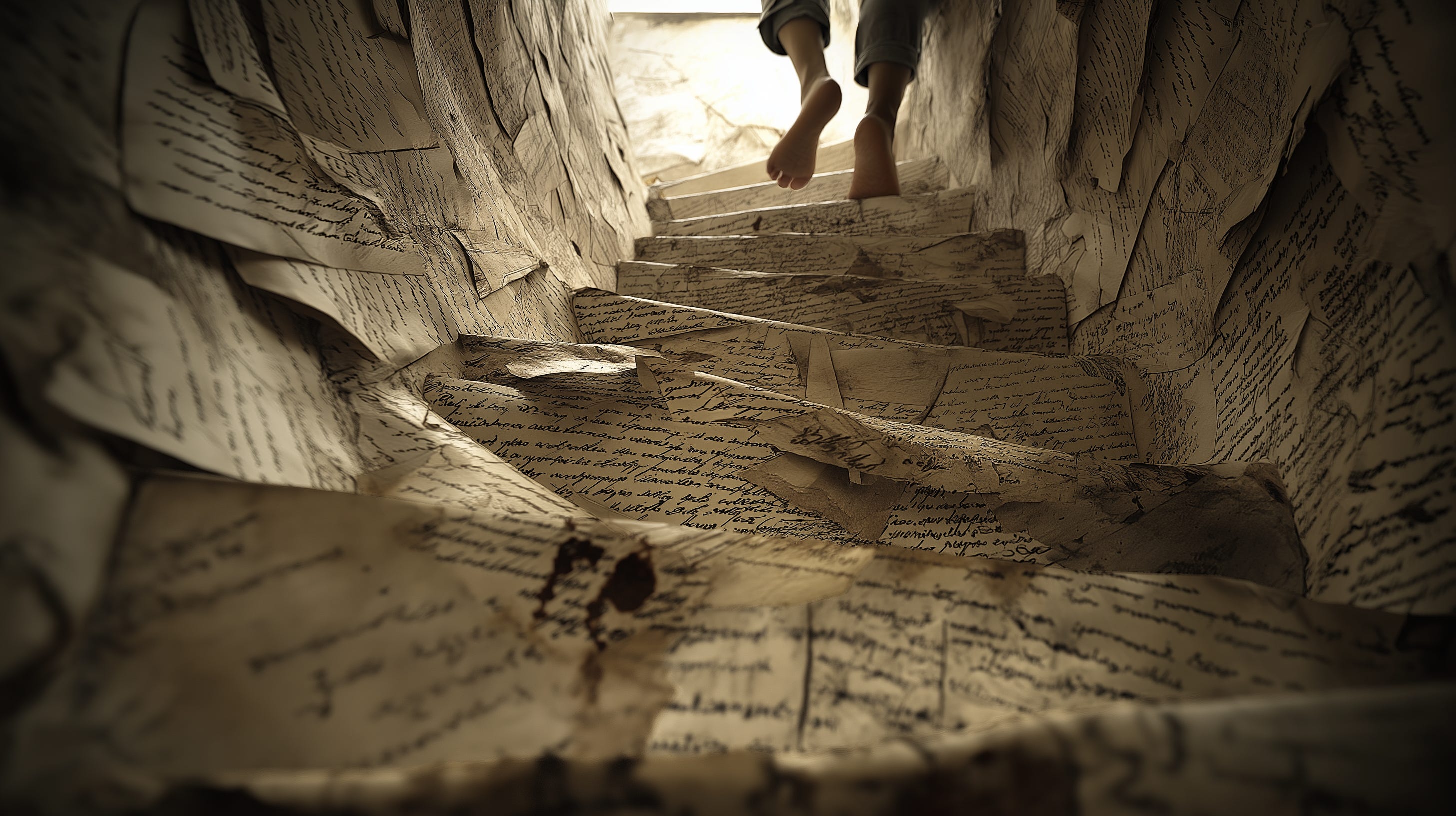
In video games, some players choose to follow a walkthrough — a complete map, already annotated, showing where to go, what to avoid, how to solve every puzzle. No need to search for the hidden passage, understand the logic of a riddle, or waste hours wandering in circles. Everything's there. Ready. Available. Efficient.
This choice bypasses the fumbling, the dead ends, the frustration. But also a certain kind of experience. The unexpected discovery, the surprise, the failure that teaches. What we gain in smoothness, we sometimes lose in memory. No story left to tell, just a frictionless sequence.
Today, we've invented the equivalent of these guides for thinking itself. Intelligences that suggest answers before questions are even formed. No need to ruminate, hesitate, or struggle: the cheat sheet is already there, almost invisible. And that's precisely what's troubling — this discrete ease that seems so natural.
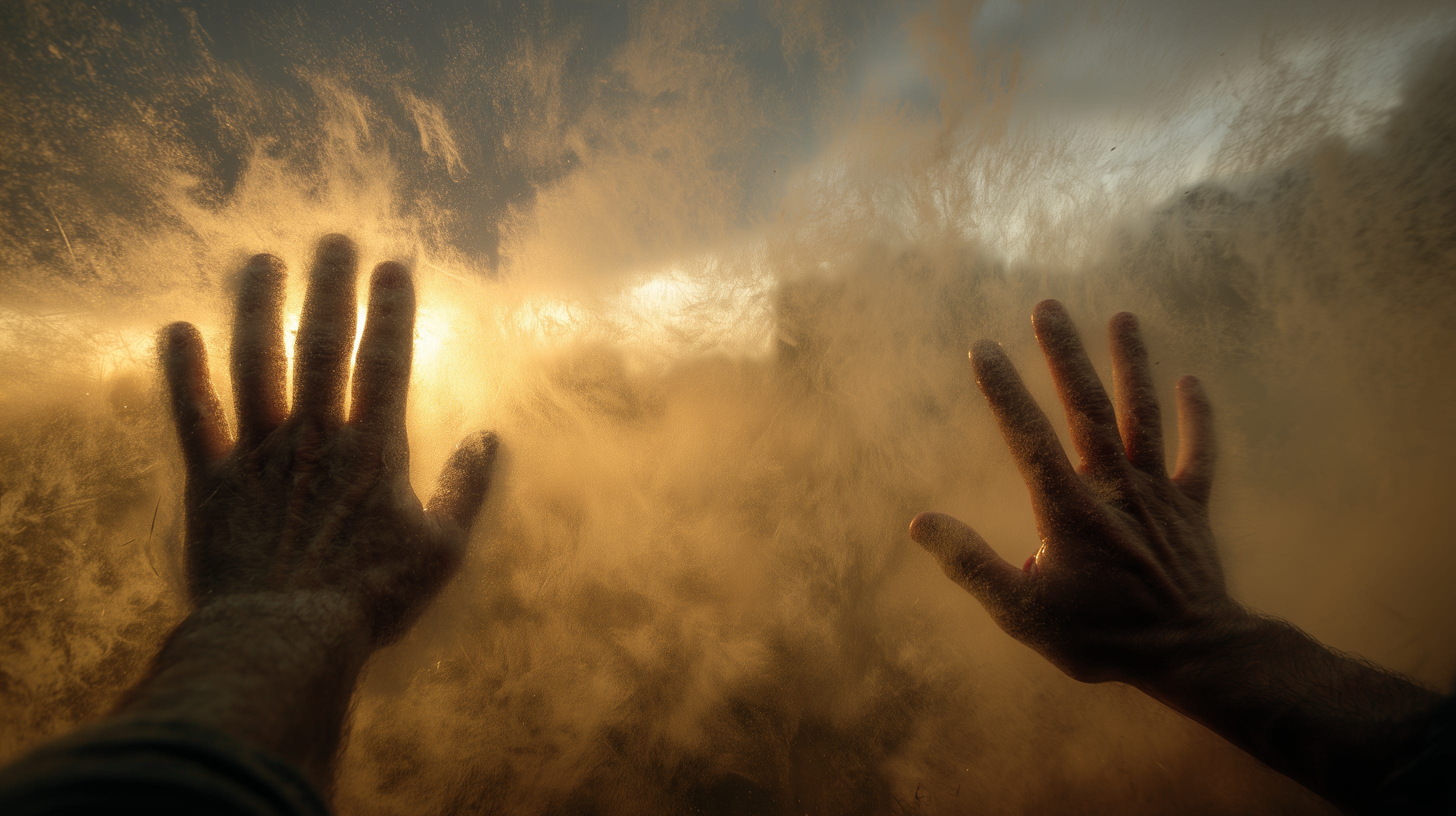
Thinking never was just about answers. It's a crossing. A zone of uncertainty, sometimes uncomfortable. Searching for words during an oral exam. Entering a conversation you dread. Making a decision with no obvious solution. All situations where thinking leaves a trace — sometimes fatigue, an underground joy, or a small scar.
In the slowness of reasoning, in the mess of a rough draft, hides a density that speed ignores. This density born of resistance — when the idea refuses to come, when you must hunt for the right word, when the solution slips away. This truth threads our oldest stories: Odysseus chooses the long way over the straight line, not from love of wandering, but because only the difficult path forges experience. The shortcut reveals the destination, but the odyssey transforms the traveler.
This doesn't mean rejecting tools. They can be useful, powerful, sometimes life-saving. But we need, alongside them, to preserve something that isn't immediately useful. A rough space, slowed down. A gesture that produces nothing right away, but changes something within us.
In this deliberate preservation of difficulty — not cheating ourselves — lives a form of presence. It doesn't show. Makes no noise. But remains.
Like the taste of a word found on your own.
Like the breath of a silence you let linger.
Like the ghost of who you were before you knew.
What's most precious isn't what we know. But what transformed us discovering it. Sometimes we replay a game without the guide. Not to ignore the path.
But to recover that thrill of not knowing. That fragile vertigo — rare luxury — of thought still alive.